
Ready in days, not weeks
Every week a new hire takes to perform like everyone else is paid in full, every day. Hypsen shortens that period and tells you with evidence when it's over.

How does Hypsen accelerate new hire onboarding?
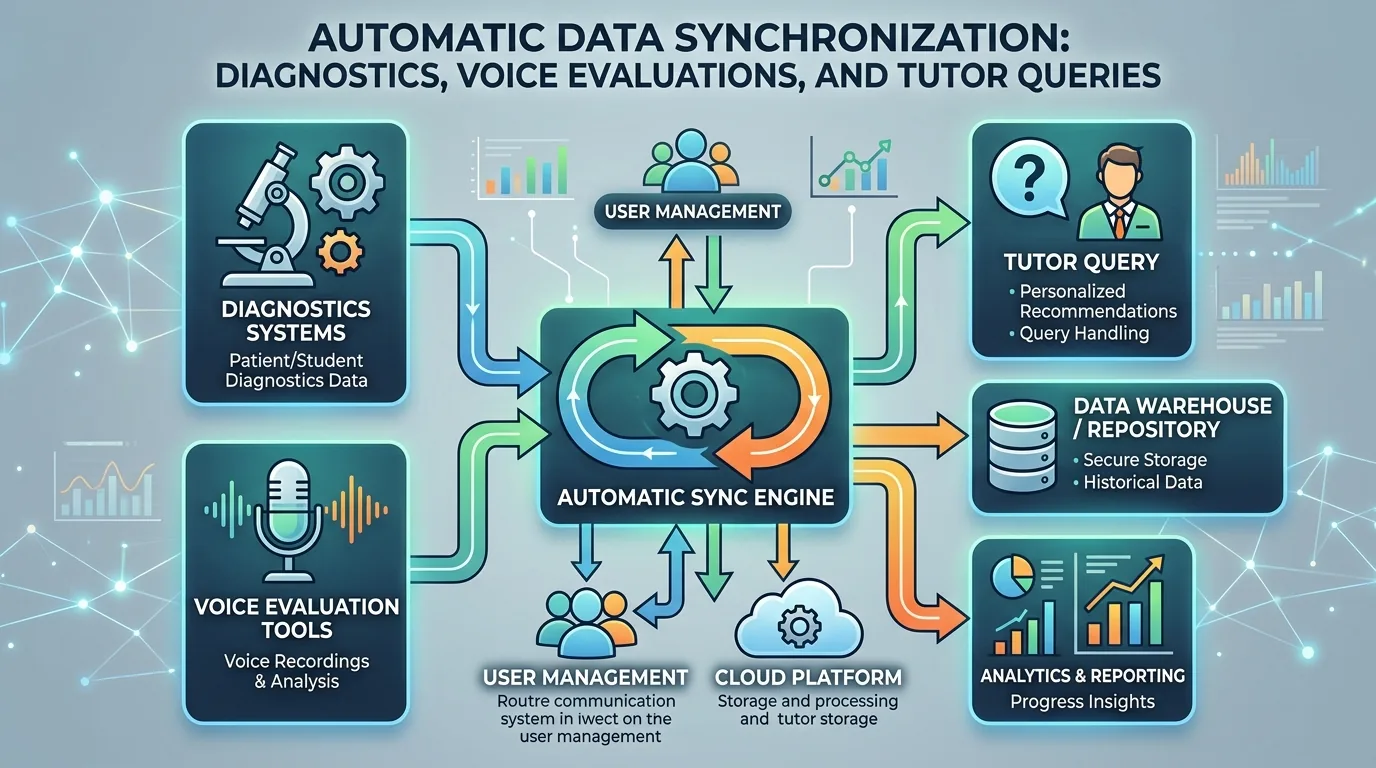
Hypsen shortens onboarding because it doesn't train everyone the same way: it diagnoses each person's starting level and assigns only the modules for the competencies where they fell short. At the end, it validates through voice interview and simulation of real situations whether they can work unsupervised, so the decision to release someone rests on a comparable score rather than tenure or a supervisor's impression.
Onboarding ends when someone decides it has ended
And that decision usually rests on three things that aren't evidence:
- • Tenure criteria: they've been here the usual number of weeks.
- • Supervisor subjectivity: the supervisor says they're fine.
- • Training completion: they passed the training.
None of those predicts performance. So some people are released before they're ready and fail in front of customers, while others stay supervised weeks longer than necessary, costing the time of two people.
⚠️ HIDDEN COST IN OPERATIONS:
And the cost doesn't show up in the training budget. It shows up as low productivity, as floor errors, and as resignations in the first ninety days.

Five things that change from day one
The AI-guided onboarding model transforms induction into a continuous, standardized, and measurable process.





What changes in the operation
- • Release decisions based on evidence, not the calendar
- • Support narrowed to the specific missing competency instead of general supervision — the cost difference is significant
- • The same onboarding standard across every location
- • A comparable record of how long each person and each cohort takes to become productive
- • No waiting for a group: whoever joins on Tuesday starts on Tuesday
🚀 PRODUCTIVITY IMPACT:
Shortening the time to independent productivity cuts the cost of the learning curve and eliminates floor supervision bottlenecks.
The report produces a plan, not a verdict
Three operational readiness levels to guide supervisors with objective actions.



💡 TALENT DEVELOPMENT PHILOSOPHY:
Someone not being ready today doesn't mean they won't work out. It means they need two more weeks on a specific topic.