Before teaching them anything,
Hypsen finds out what they already know

A voice interview reveals each person's actual level in every competency their role demands. From there, everyone gets a different path.

Voice skills diagnostic in Hypsen

What is Voice Skills Diagnostics?

Hypsen's diagnostic assesses each employee through a voice or text interview covering four things: prior experience, knowledge of procedures, judgment in specific situations, and the ability to explain what they claim to know. The output is a skills map: a 1-to-10 polygon by competency, where 10 represents expected performance for that role. Topics where the person shows mastery are pre-approved and drop out of their training path.

Baseline Assessment

Training everyone on the same thing wastes almost everyone's time

New hires get the same program as everyone else. Whoever already knows it gets bored and disengages. Whoever has a specific gap carries it forward, because the general course only touches it in passing.

The reason isn't negligence. It's that measuring each person's starting point, in each competency, is work no HR team has the capacity to do by hand for an entire workforce.

That's why training needs analysis ends up being a survey of department heads once a year. You're asking about the solution instead of measuring the problem.

Intelligent Process

An interview, not a questionnaire

1. It starts from the job profile

The diagnostic measures against what that role demands in your company, not against a generic syllabus. See job profiles →

2. The employee has a voice or text interview

Four dimensions are explored:

  • • Prior experience: what they've done before and in what context
  • • Procedures: whether they know how things are done in your company
  • • Situational judgment: what they'd do in a specific case, not what definition they know
  • • Self-explanation: whether they can explain in their own words what they claim to know
Why the last one matters: recognizing the right answer among four options engages recognition memory. Explaining it out loud requires recall and comprehension. Those are different capabilities, and the second is the one used in front of a customer.
3. The skills map is generated

A 1-to-10 polygon by competency. The 10 is expected performance for that role; the distance between the person's score and that 10 is their concrete gap.

4. The syllabus adjusts to the map

Topics where the diagnostic shows mastery are pre-approved: the person doesn't see them again. And the instructor can edit any topic in the syllabus if what the AI proposed doesn't look right.

Gap Analysis

The output isn't a grade

It's a polygon with a value from 1 to 10 in each competency of the role. That allows three readings an average doesn't:


Analysis by person - Individual gap diagnostic
INDIVIDUAL
By person

Where they're strong and where they aren't. Someone at 9 on product and 3 on objection handling isn't a level-6 employee. They're someone who will lose every difficult sale.

Analysis by team - Group competency diagnostic
GROUP
By team

Which competency is low across everyone. That's group training, not individual, and it changes how the budget gets spent entirely.

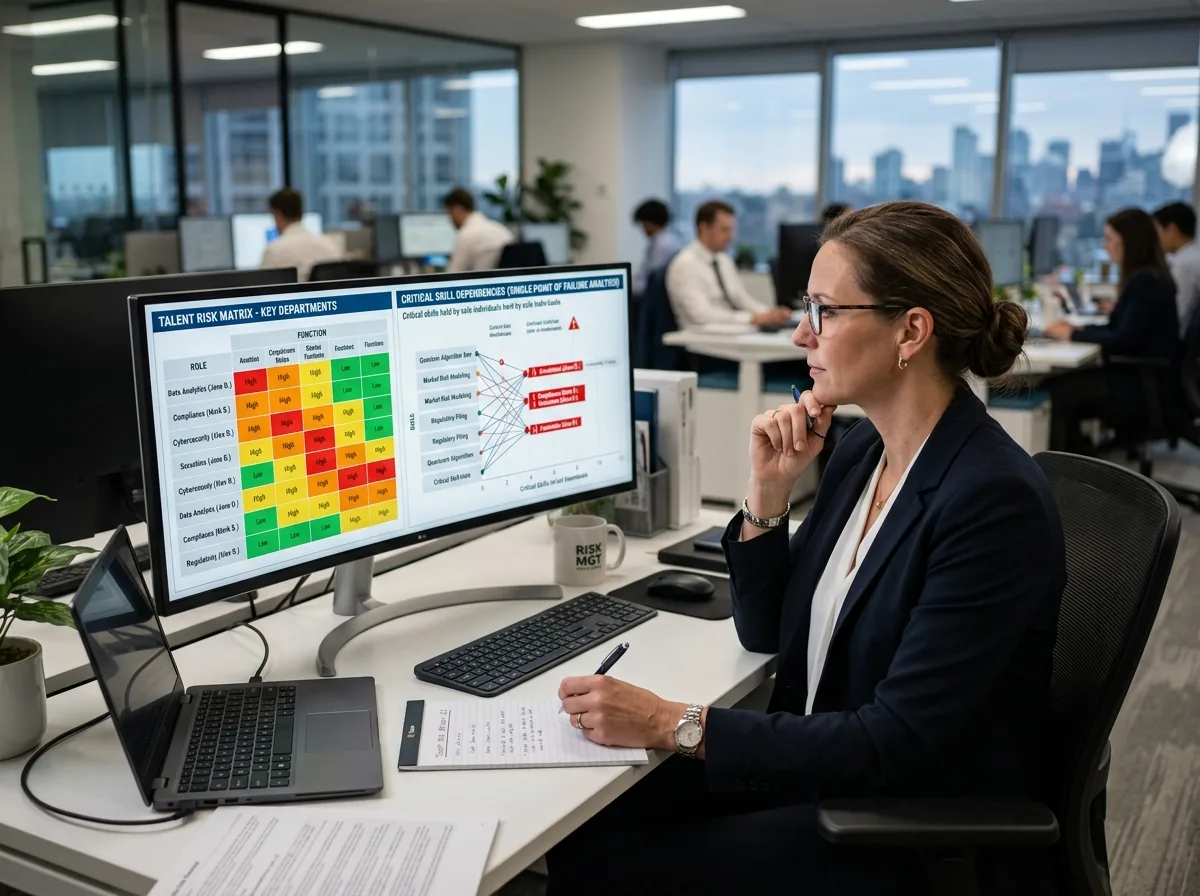
Analysis by risk - Dependency matrix and single point of failure
RISK
By risk

Which competency only one person has mastered. That's a single point of failure nobody sees until that person is out, resigns or retires.

TIME OPTIMIZATION

Why training gets shorter

Topics where the diagnostic shows mastery are pre-approved and drop out of that person's path.

An in-person workshop can't make that distinction: the fifteen people in the room hear the same thing at the same time. A video course can't either: it's the same sequence for everyone.

“

The saving doesn't come from compressing content. It comes from not delivering what the person already knew.

⏱️ Hypsen adaptive learning path by gap
CONTINUOUS ASSESSMENT

Not just for new hires

A long-tenured employee can have large gaps in products, systems or processes that changed after their initial training. And nobody has measured them since.


New Hires Hypsen
NEW HIRES

New Hires

To know the real starting point instead of training blind and accelerate the onboarding ramp.

Existing Staff Hypsen
EXISTING STAFF

Existing Staff

Running the diagnostic across the whole workforce usually produces the most useful surprise of the first month: discovering the biggest gap isn't where it was assumed to be.

HR & LEADERSHIP DELIVERABLES

What HR gets

Real-time operational visibility to make grounded decisions.

📊

Skills Map

Objective 1-to-10 polygon by person and role competency.

🏢

Multi-Structure Views

Filter by department, role, unit and location.

👥

Group Gaps

Competencies weak across the whole team, worth group training.

⚠️

Single Points of Failure

Identification of critical knowledge mastered by only one person.

🛤️

Automated Path

Training path generated automatically for each employee.

How the dashboard looks →
OPERATIONAL USE CASES

When to run it

Key moments in talent management where voice assessment brings maximum certainty.

On joining Hypsen
01

On joining

To know the real starting point instead of training blind.

When a product or process changes Hypsen
02

When a product or process changes

To know who needs updating and who doesn't.

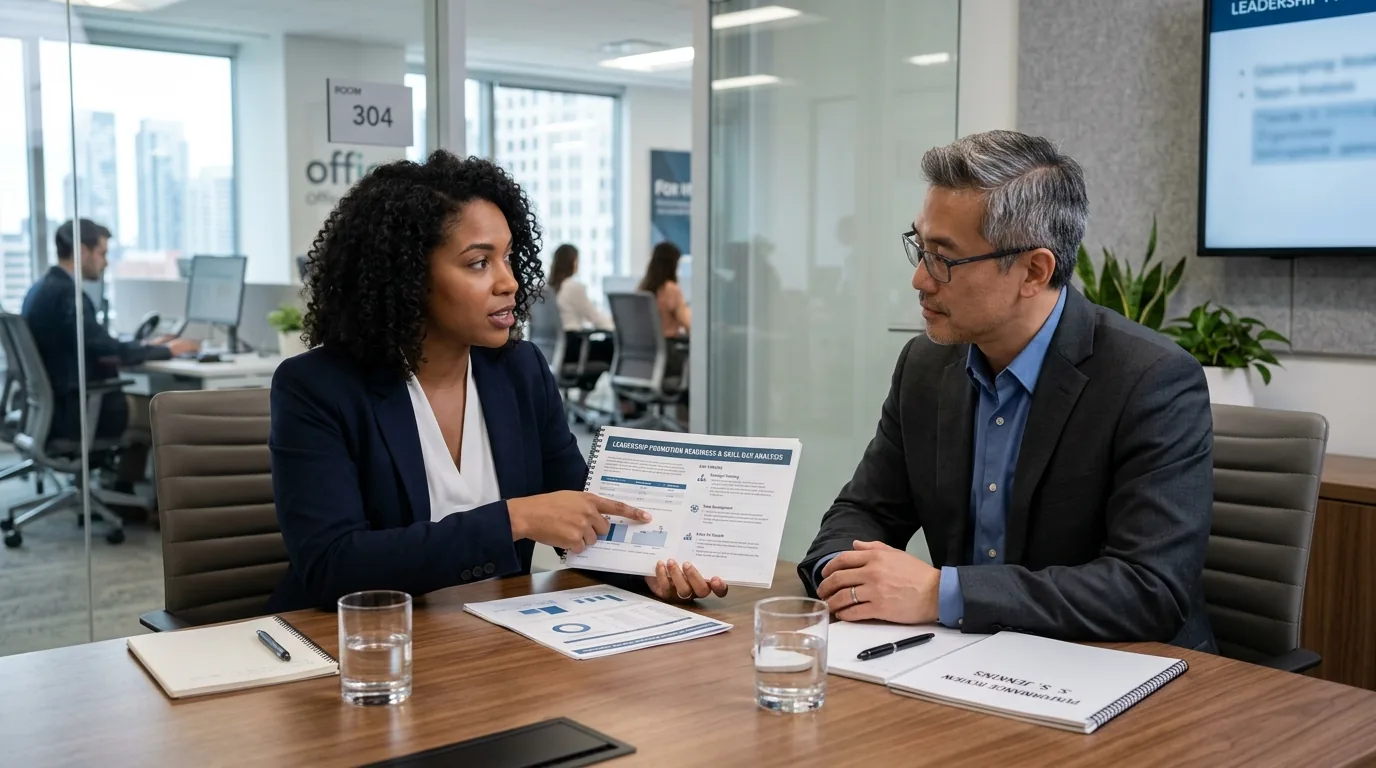
Before a promotion Hypsen
03

Before a promotion

To identify what someone is missing before taking on a more demanding role.

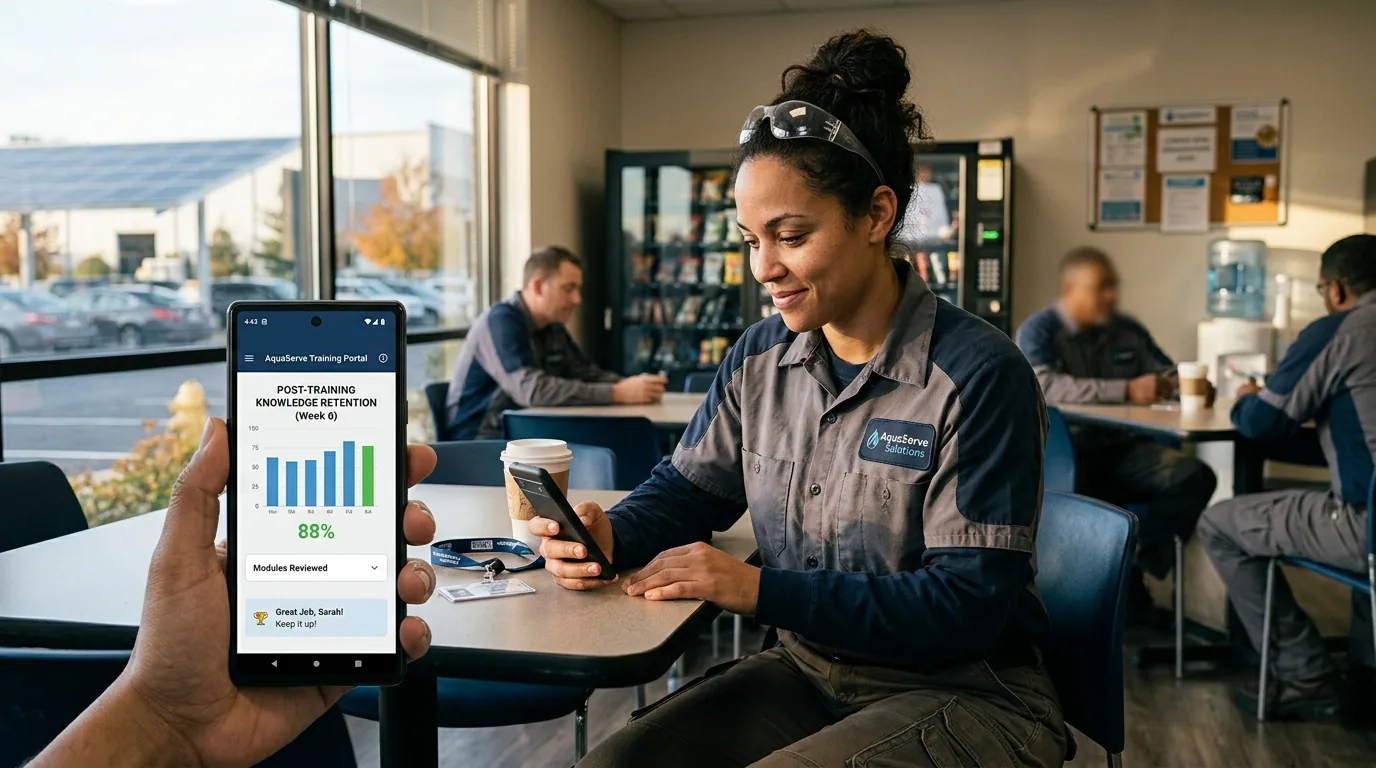
Weeks after training Hypsen
04

Weeks after training

To verify what was genuinely retained.

Frequently Asked Questions

Skills Diagnostic FAQs

What is the skills map?
A 1-to-10 polygon by competency of the role. The 10 is expected performance for that role, and it shows the person's actual level in each competency rather than a single overall grade.
Is the diagnostic by voice or by text?
It can be either. Voice yields more information, because it forces the person to explain in the moment with no time to draft.
Can employees game it?
They have to explain in their own words and resolve spoken situations. There are no options to guess at and no answers to copy.
Can I change the syllabus it proposes?
Yes. The instructor can edit any topic in the syllabus before the course is generated.
Does it replace traditional training needs analysis?
It covers the most expensive part — individual measurement — and makes it continuous instead of annual. Defining profiles and setting strategic priorities remain the company's decisions.
What if someone scores very low?
They get a longer path, focused on their specific gaps. The diagnostic produces a plan, not a verdict.
Can it be repeated?
Yes, and it's recommended. Repeating it weeks after training reveals whether there was learning or just memorization for the test.