When people join every month, the annual session isn't enough
Whoever trained in March is gone by August. Whoever joined in May never took the workshop. Hypsen covers everyone, all year, with no additional cost per person.
How does Hypsen handle high-turnover operations?
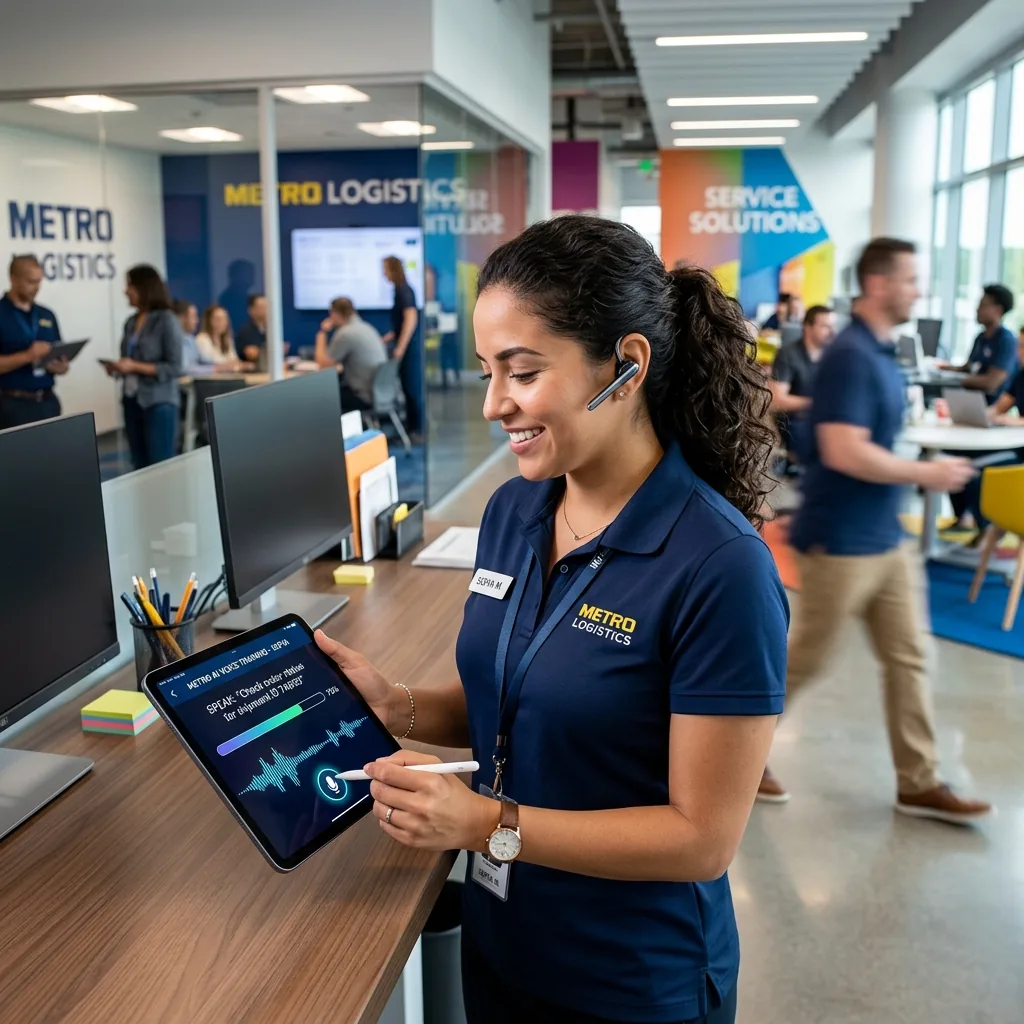
In high-turnover operations, session-based training leaves permanent gaps: anyone who joins after the workshop stays uncovered until the next one. Hypsen runs continuously — each person receives their program when they join, without waiting for a group — and is priced by usage capacity rather than per user, so enrolling the entire workforce doesn't increase cost even when turnover is high.
The session model breaks on arithmetic, not on quality
When turnover is structural — commission-based pay, field work, seasonality, shifts — each session covers only the people present that day.
- • Coverage by date: each workshop covers only those present on that specific date.
- • Weeks-long gaps: hires arriving later wait months until the next official session.
- • Lost investment: anyone leaving before performing takes 100% of their hiring and training investment with them.
⚠️ PER-USER ECONOMIC PENALTY:
There's also a cost almost nobody counts: per-user pricing penalizes exactly the company that needs training most. Enrolling someone who might leave in three weeks becomes an economic decision, and fewer people end up trained than should be.

Where preparation isn't an expense: it's the revenue
In models where the employee's income depends on what they sell, the arithmetic is starker:
With no base salary, anyone who doesn't close in the first weeks walks away. It isn't a lack of commitment: it's that they can't make ends meet.
Recruiting and training with not a single result in return.
The problem isn't how many come in, it's how many reach their first sale and how long it takes.
Cutting the days to first sale moves both things at once: less turnover and more revenue.
How Hypsen solves it
The continuous capacity model eliminates per-person costs and guarantees immediate readiness for every new hire.




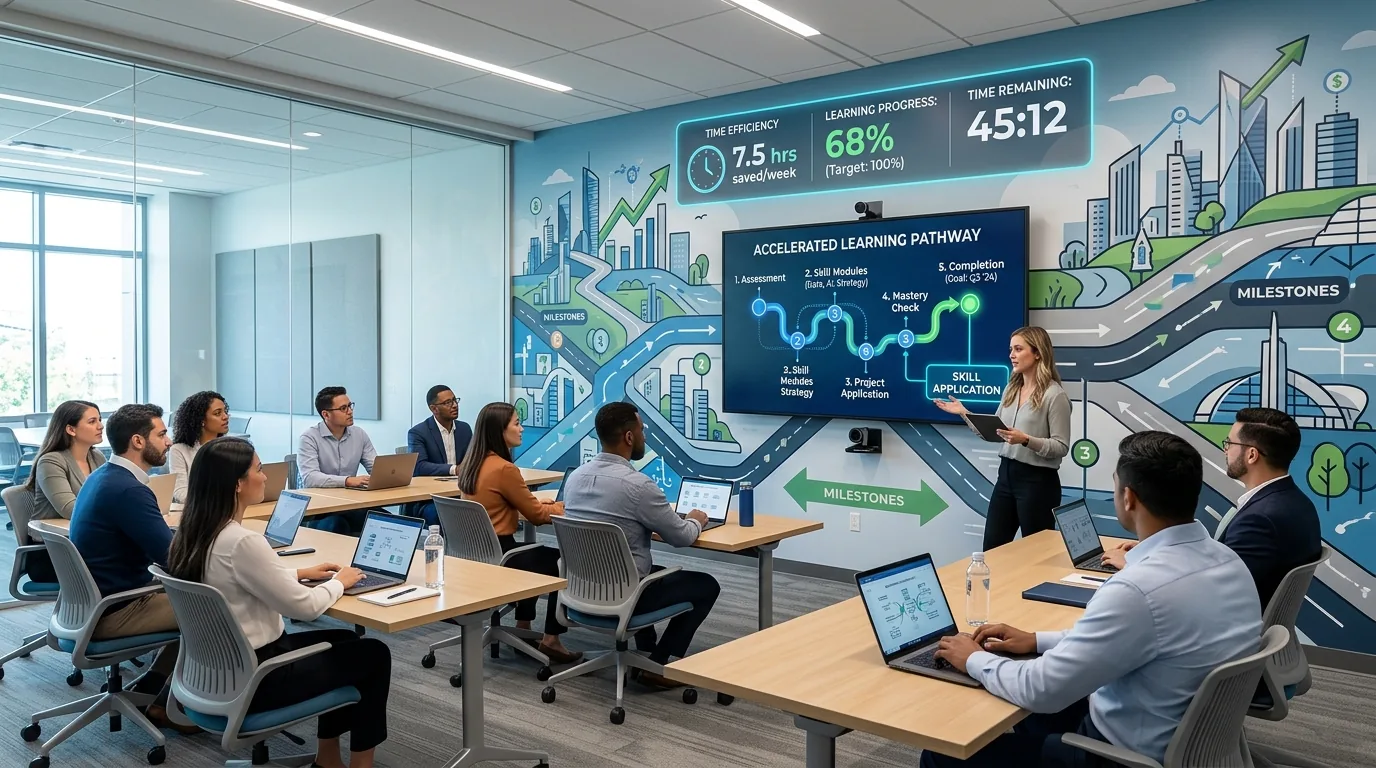
What changes in the operation
- • Full workforce coverage, not just whoever fit in the session
- • The same standard across every location, distributor or work cell
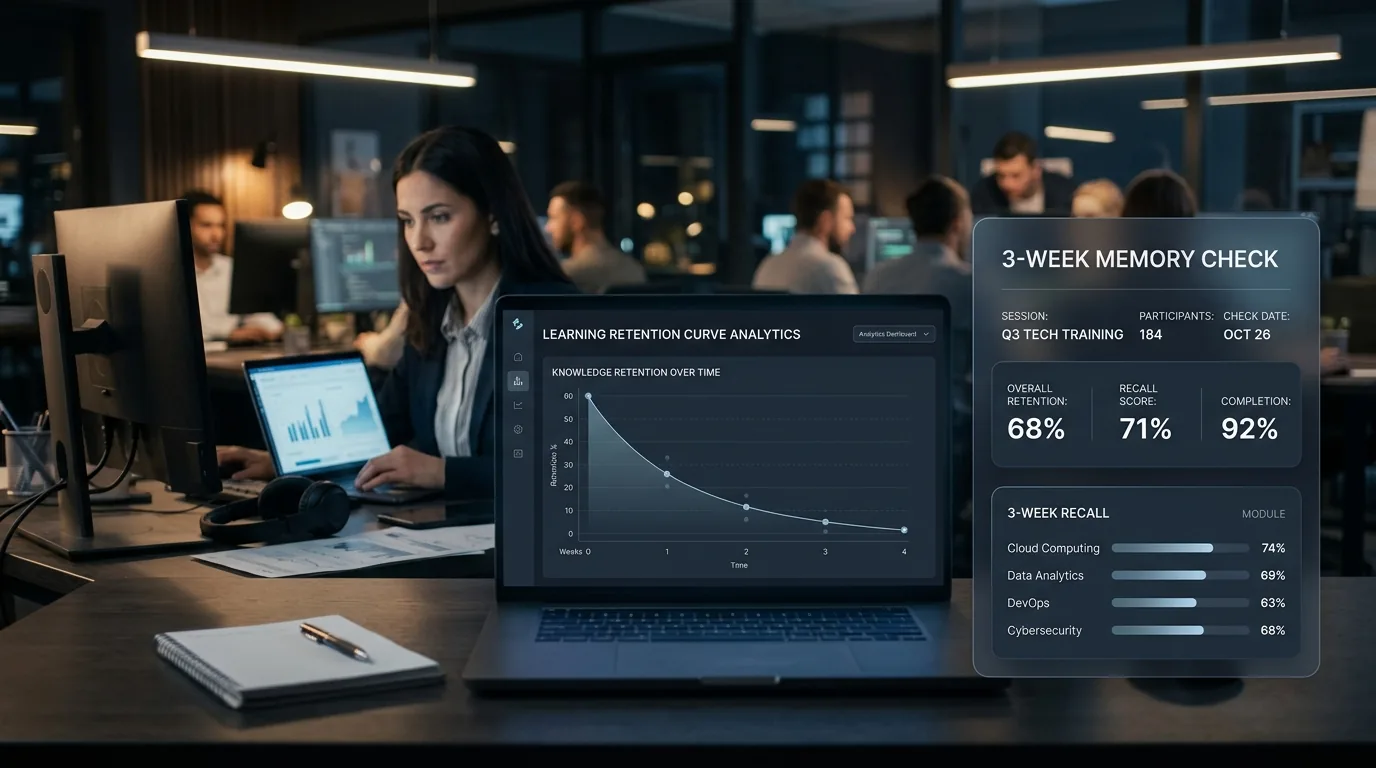
- • A comparable record of how long each cohort takes to become productive
- • Training that doesn't depend on convening, pulling people off the floor, or gathering a group
- • A number that doesn't exist today: how many of the people you recruited reached productivity, and how long it took
⚡ OPERATIONAL IMPACT:
Shortening the time until a hire becomes productive directly boosts revenue and stops resource drain from early turnover.
Where it matters most
Sectors with structural turnover where training speed directly impacts bottom-line performance.