Not a course people watch and forget

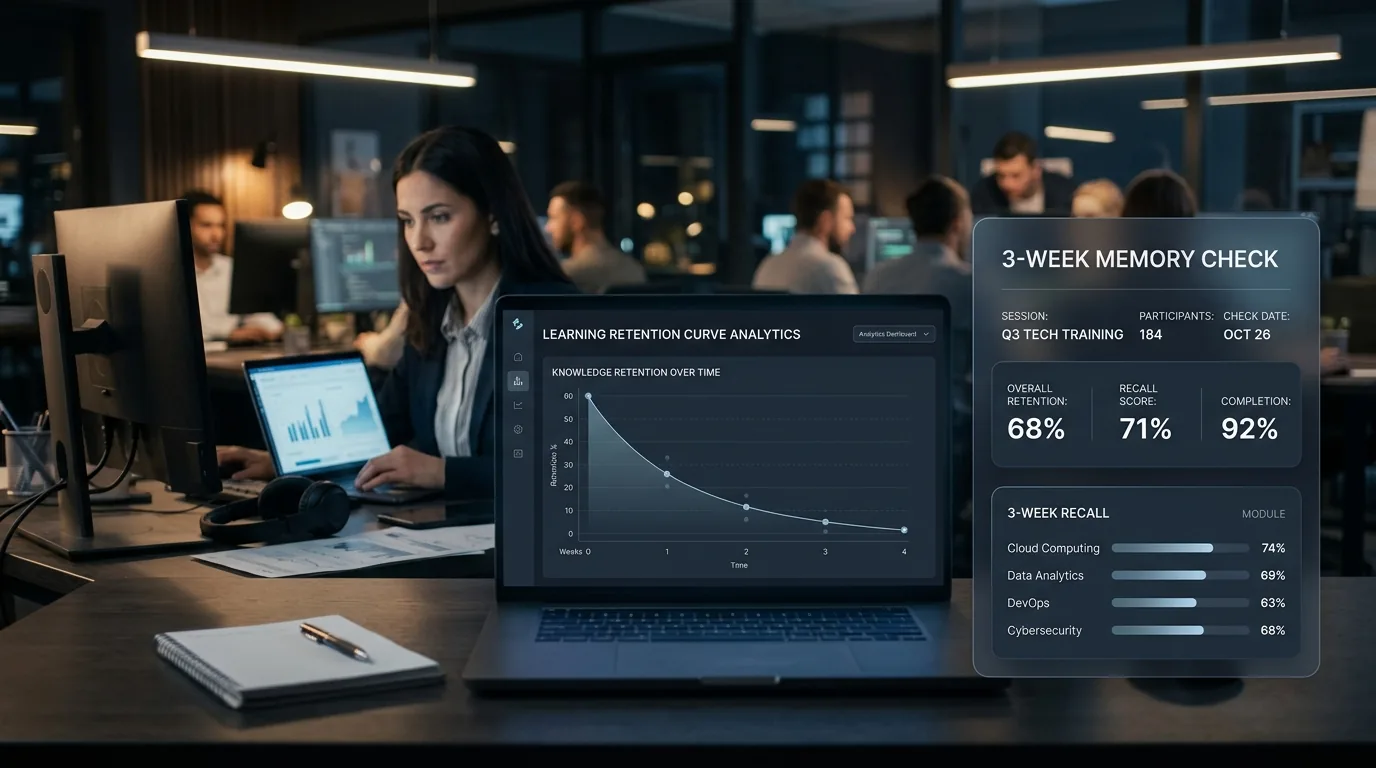
Almost all training assessment happens the same day training ends, when the content is fresh. Hypsen lets you measure again weeks later — which is when the number actually means something.

Continuous talent development Hypsen

How does Hypsen transform continuous talent development?

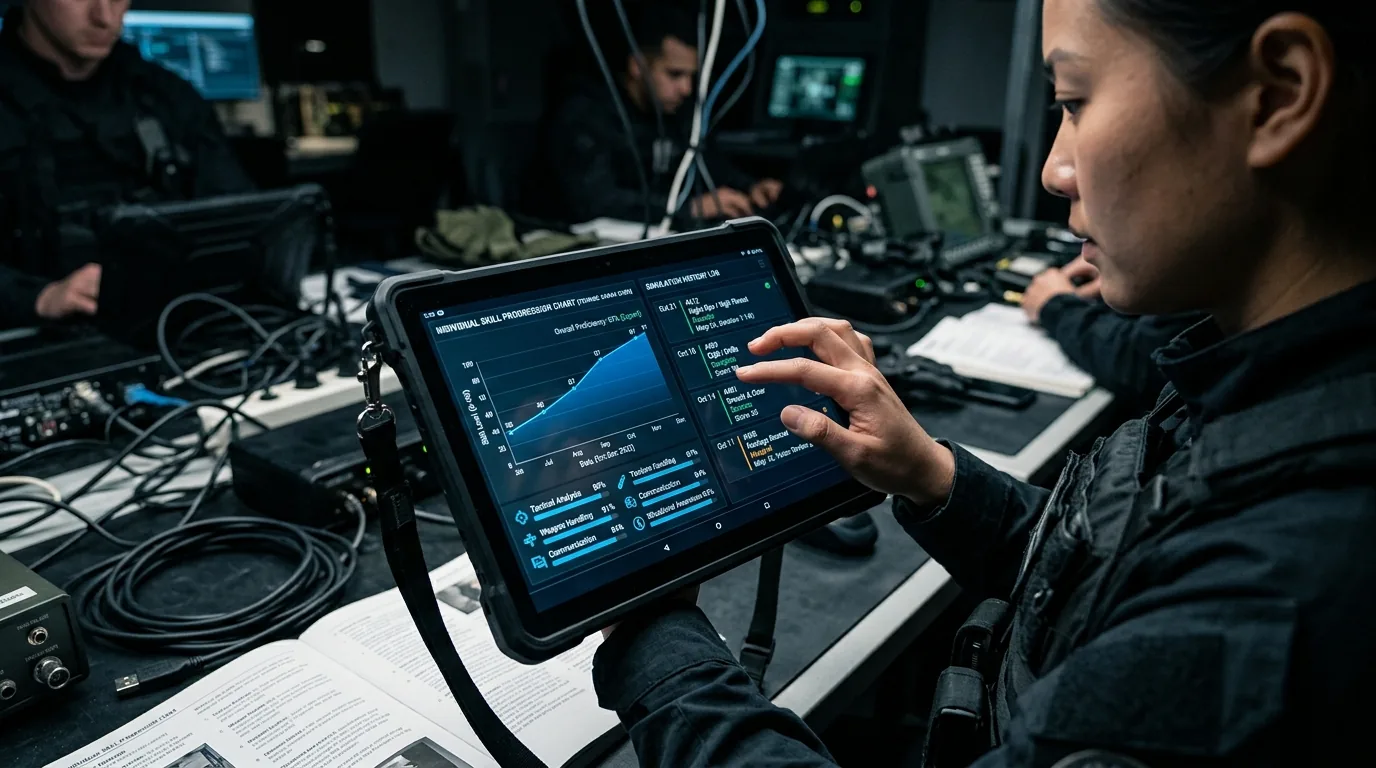
Hypsen turns training into a continuous process rather than an annual event: it lets you schedule a second voice assessment weeks after each program to verify what was genuinely retained, logs the team's questions during operations as gap diagnosis, and assigns reinforcement targeted at the specific competencies where performance dropped, with an individual path per employee.

TRADITIONAL CYCLE

Between one cycle and the next there's nothing

The typical cycle: a need is identified, a course is bought, a test is given on the last day, certificates are handed out, and the file closes until next year.

1. Isolated one-day courses An annual workshop is contracted, immediate tests are given, and certificates handed out with no follow-up.
2. Test with no predictive value That last-day test measures short-term memory of freshly seen content. It's the worst possible moment to find out whether anyone learned.
3. 11 months of operational silence Without reinforcement or subsequent measurement, knowledge cools off in private without alerting management.

⚠️ OPERATIONAL RISK:

And in the eleven months that follow there's no reinforcement, no measurement, and no way to know someone is slipping until it shows in results. By the time the drop reaches your metrics, the quarter is already lost.
Deferred re-assessment and talent retention Hypsen
11-MONTH RETENTION
METHODOLOGY

How Hypsen solves it

The continuous learning model transforms annual training into a live strategy for performance and retention.

Measuring again weeks later Hypsen
DEFERRED MEASUREMENT

1. Measuring again weeks later

HR or the instructor schedules a new voice assessment. Comparing it against the first separates who retained from who memorized for the test — right when the person is already operating.

Questions as diagnosis Hypsen
LIVE DIAGNOSIS

2. Questions as diagnosis

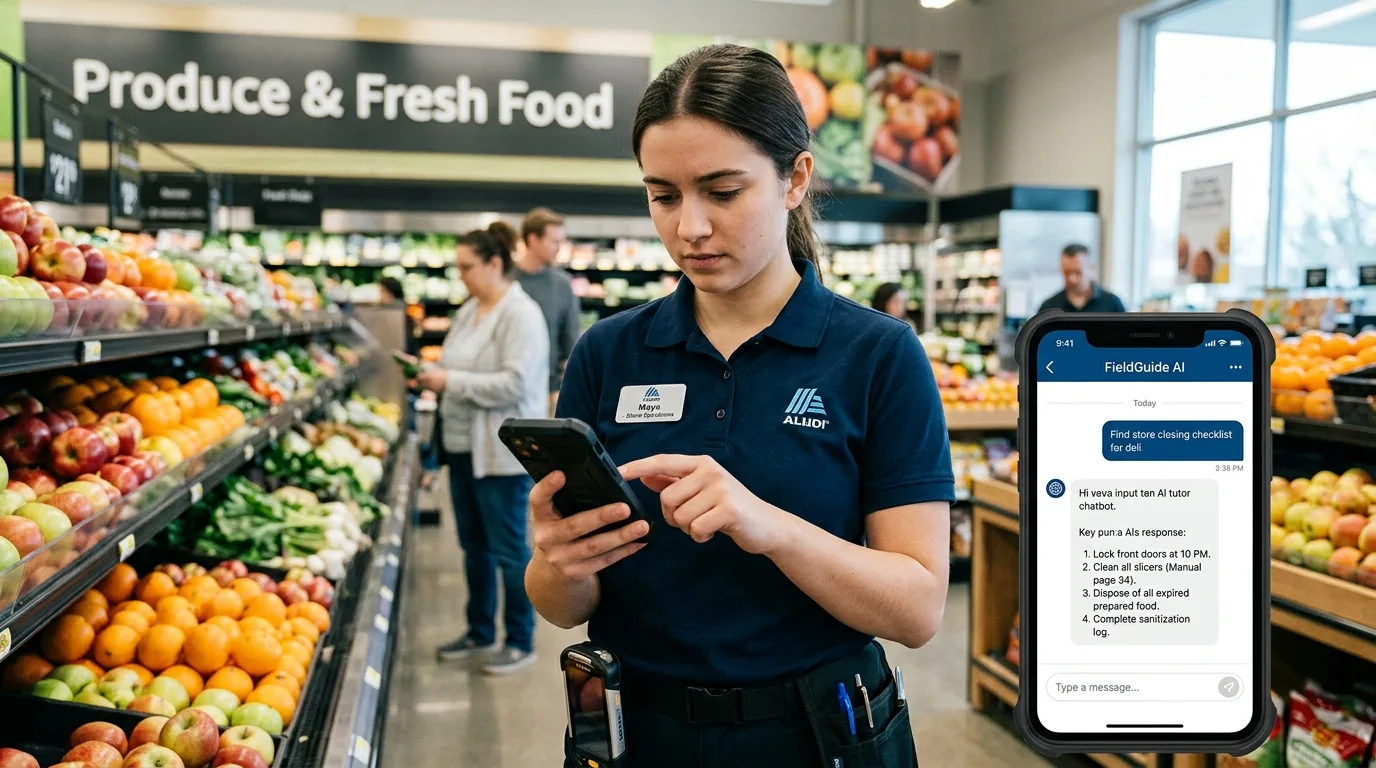
Tutor queries are logged with content, author and frequency. The three most repeated questions of the month are the best signal of where to reinforce, and in most companies they're lost in a chat.

Targeted reinforcement Hypsen
TARGETED REINFORCEMENT

3. Targeted reinforcement

Not the whole course again: the modules for the specific competency that dropped. That makes reinforcement a matter of minutes rather than full days.

Individual growth path Hypsen
CAREER PATH

4. An individual growth path

The skills map shows what each employee is missing for the next level of their role, or for the next role. When someone sees a path, they stay. It's one of the most consistent retention levers and one of the least well served.

Updates without retraining everyone Hypsen
SEGMENTED UPDATE

5. Updates without retraining everyone

When a product or process changes, the platform identifies who is affected and asks only those people to return.

Direct results in continuous development Hypsen
OPERATIONAL IMPACT
DIRECT RESULTS

What changes in the operation

  • Measurement of real retention, not attendance
  • Detection of drop-off before it reaches your metrics
  • A per-person history showing trajectory, not a snapshot
  • Reinforcement in minutes instead of repeated full workshops
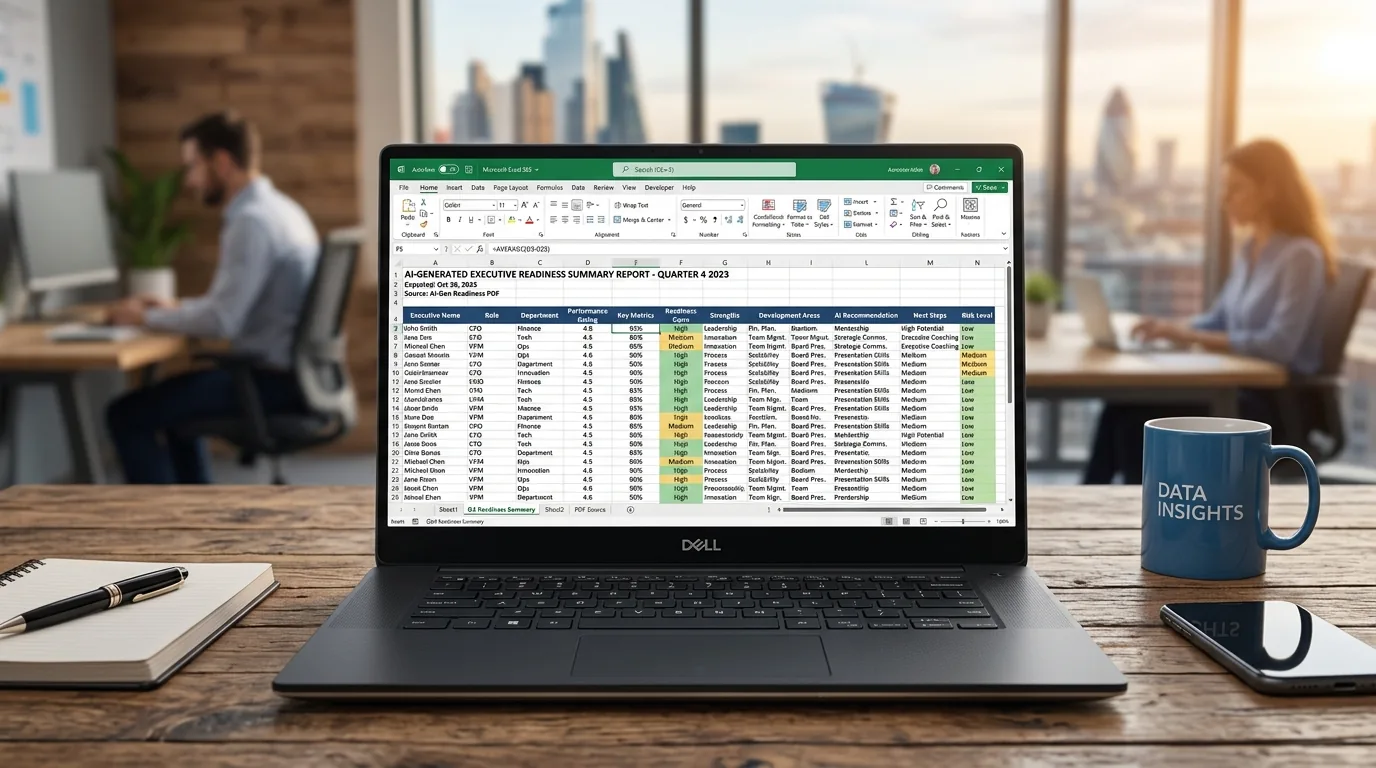
  • A defensible budget for leadership, with readiness data and how it moved

📈 RETURN ON INVESTMENT:

Moving from attendance tracking to real retention measurement gives leadership a 100% defensible budget based on operational impact.

EFFECTIVE LEADERSHIP

Difficult conversations get practiced too

Development for middle management and supervisors usually stays theoretical, because what needs practicing is uncomfortable to practice in front of a group. With Hypsen those conversations are simulated the same way as a sale:

Delivering negative feedback to someone who gets defensive.
Communicating an unpopular decision.
Handling a conflict between two people on the team.
Holding a policy when someone asks for an exception.

The leader practices in private, as many times as needed, and receives the detail of what was missing in the conversation.

🎙️ PRIVATE LEADERSHIP PRACTICE:

Supervisors practice high-tension conversations in private before holding them with their real team, receiving detailed feedback on tone and handling.


Leadership conversation simulation Hypsen
LEADERSHIP SIMULATION
Talent retention and loyalty Hypsen
TALENT RETENTION
TALENT RETENTION

People stay where they see a future

It isn't the only reason someone stays, and it doesn't replace compensation or climate. But it's one of the cheapest to address and one of the most neglected:

1. Clarity of mastery Knowing precisely which skills they excel at today and their real level of mastery.
2. Objective growth Identifying exactly what they need to reach the next level of their role or take on a new one.
3. A concrete, walkable path An employee who knows their gap and receives targeted reinforcement has a solid reason to build a career in the company.

🌟 SKILLS MAP & RETENTION:

The skills map makes that path visible, and targeted reinforcement makes it walkable step by step.

Frequently Asked Questions

Continuous Development Solution FAQs

How long after should we measure again?
The usual range is two to four weeks after a program ends. After that, depending on how critical the role is.
Does the employee know they'll be re-assessed?
The invitation can be scheduled without prior notice, which is what makes the data honest.
Does it take much of the team's time?
It's a short conversation, not a full course.
Does it work for leadership development?
Yes. Difficult leadership conversations can be simulated the same way as a sale.
How do we decide what to reinforce?
From three sources: the reassessment result, the questions the team asked the tutor, and the gaps that repeat on the dashboard.
Does this replace HR's career planning?
No. It supplies the part that's usually missing: evidence of what each person can do today and what they need for the next level.